IES Intelligence in VisualFoundation
IES Intelligence is built directly into VisualFoundation, allowing you to use natural-language prompts to build and modify models, investigate results, and automate design iterations.
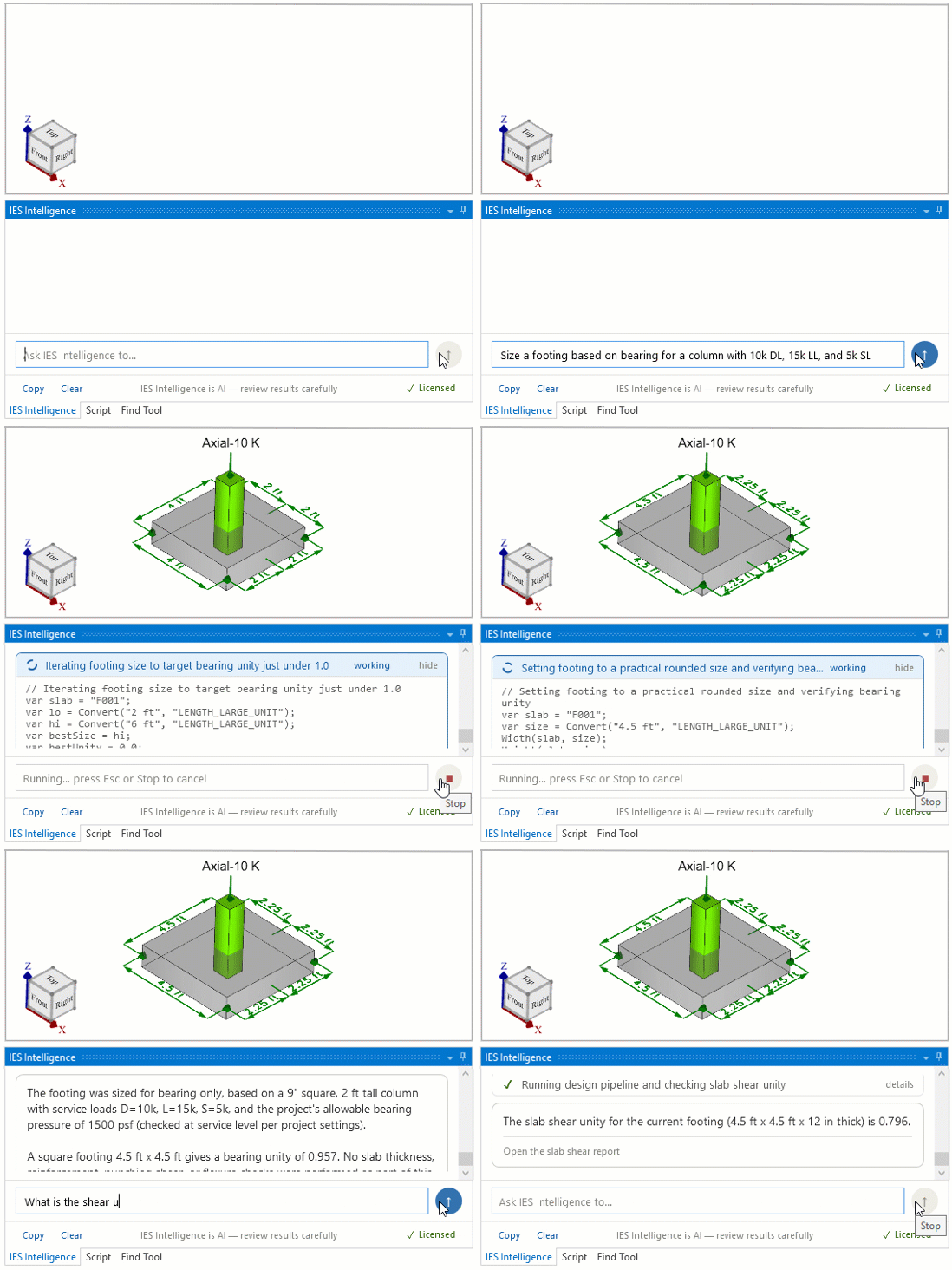
Size a Footing from One Request
“Size a footing based on bearing for a column with 10k DL, 15k LL, and 5k SL”
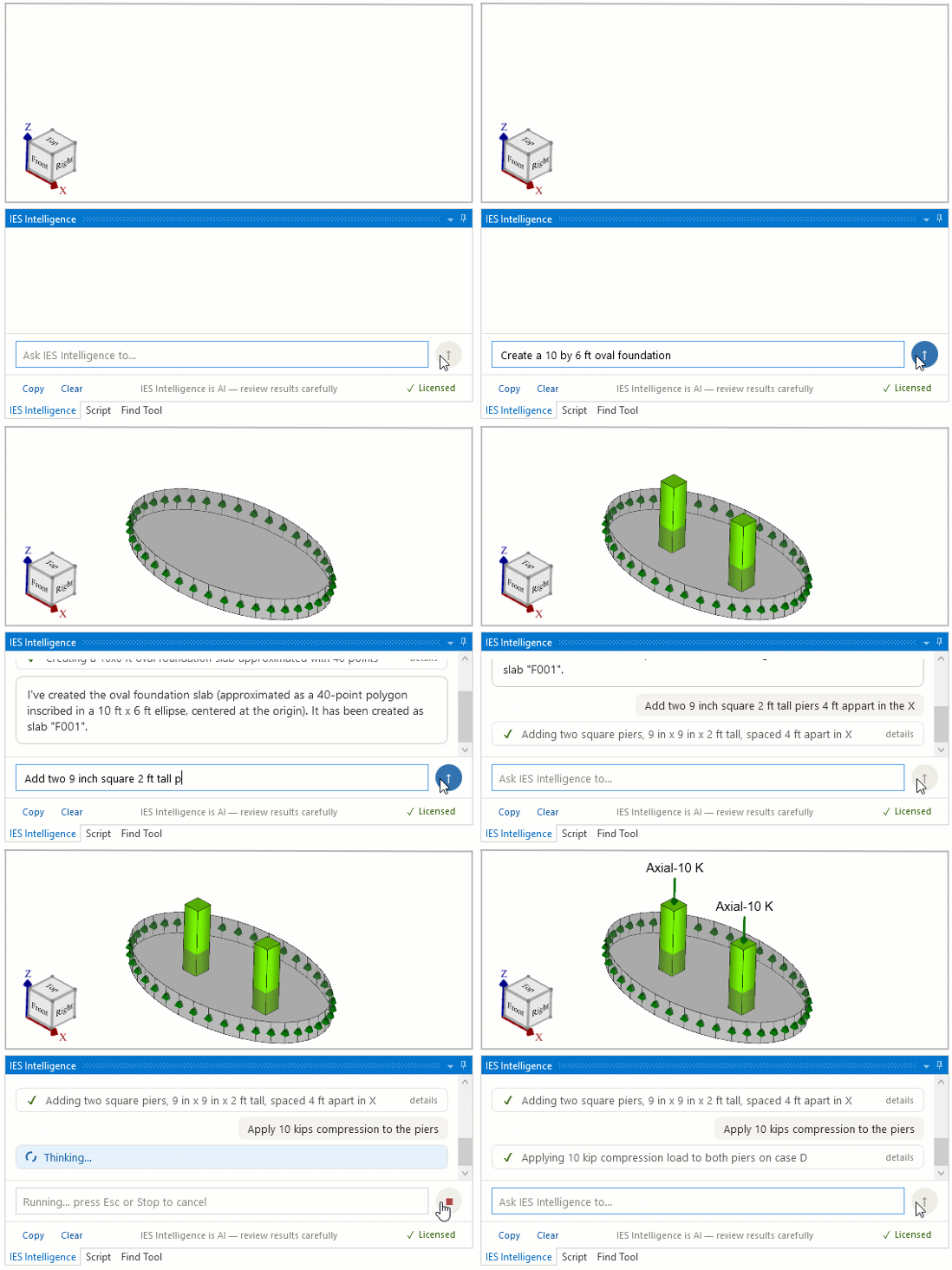
Build and Modify a Model
“Create a 10 by 6 ft oval foundation”
“Add two 9 inch square 2 ft tall piers 4 ft apart in the X direction”
“Apply 10 kips compression to the piers”
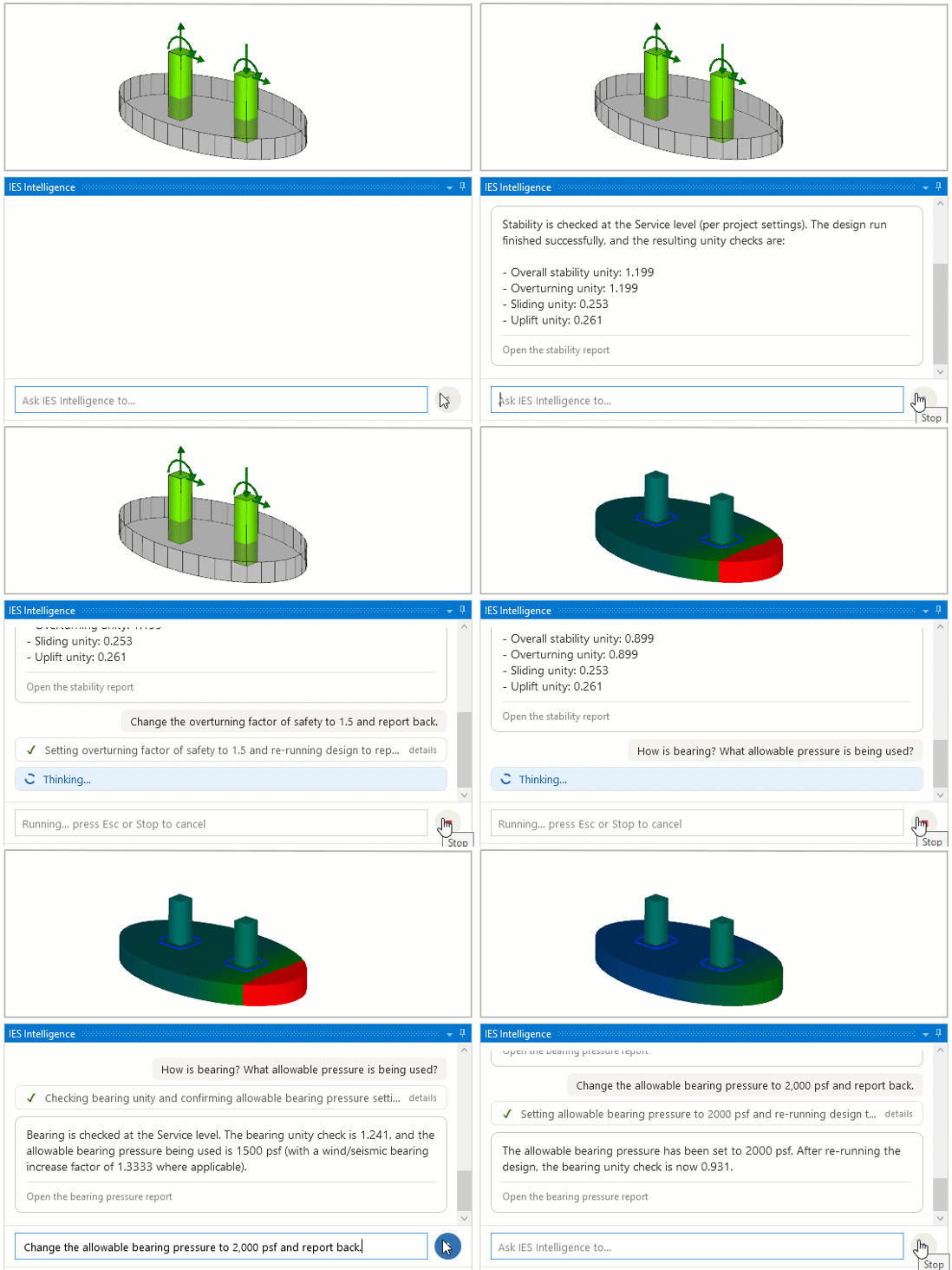
Investigate Design Results
“How does the footing look with respect to stability?”
“Change the overturning factor of safety to 1.5 and report back.”
“How is bearing? What allowable pressure is being used?”
“Change the allowable bearing pressure to 2,000 psf and report back.”
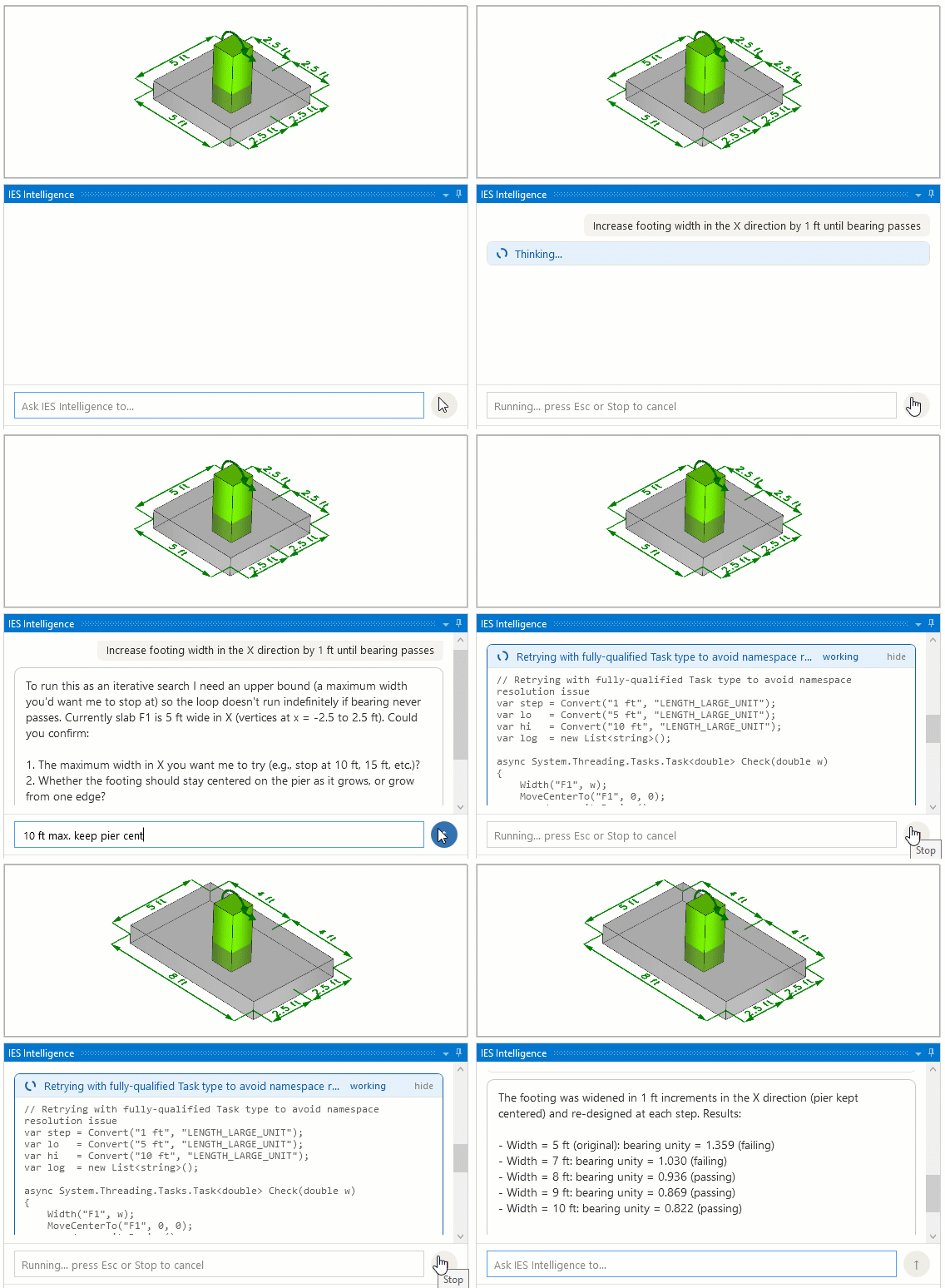
Direct a Repetitive Design Iteration
“Increase footing width in the X direction by 1 ft until bearing passes”
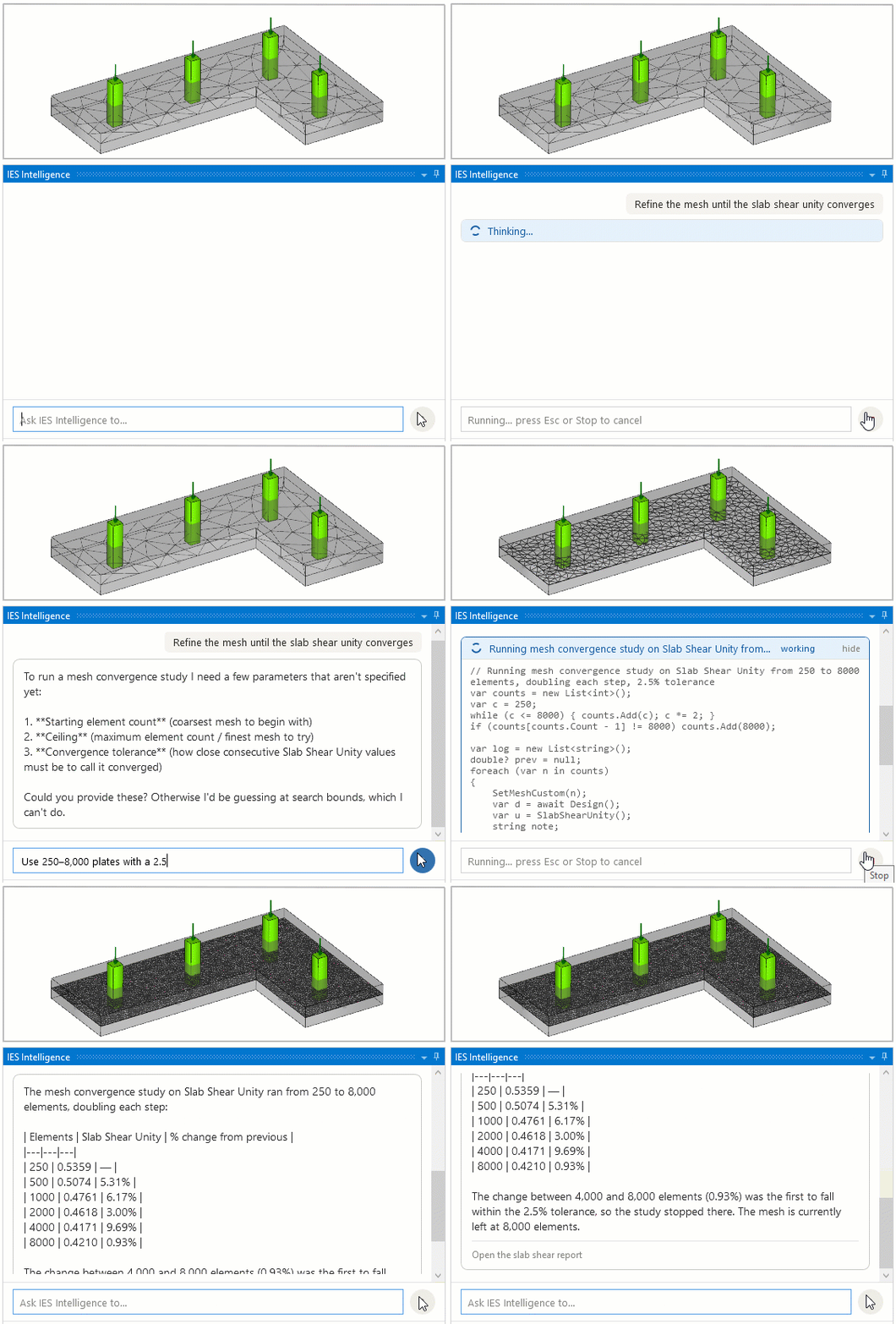
Run a Mesh-Convergence Study
“Refine the mesh until the slab shear unity converges”
“Use 100–2,500 plates with a 3% tolerance”
Start with the Goal, Then Follow Up
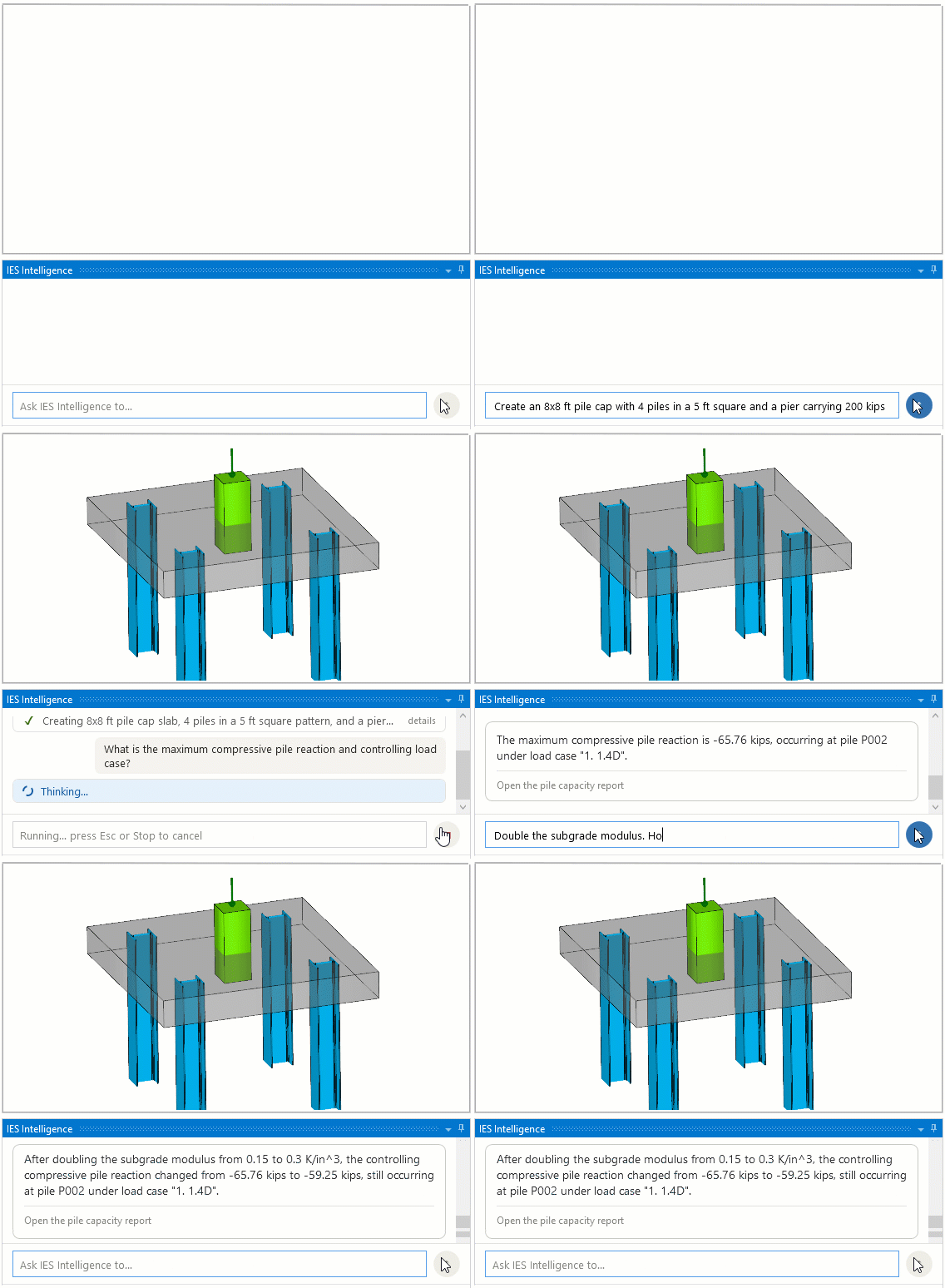
“Create an 8x8 ft pile cap with 4 piles in a 5 ft square and a pier carrying 200 kips.”
“What is the maximum compressive pile reaction and controlling load case?”
“Double the subgrade modulus. How does the maximum compressive pile reaction change?”
Build a Complete Tank Foundation
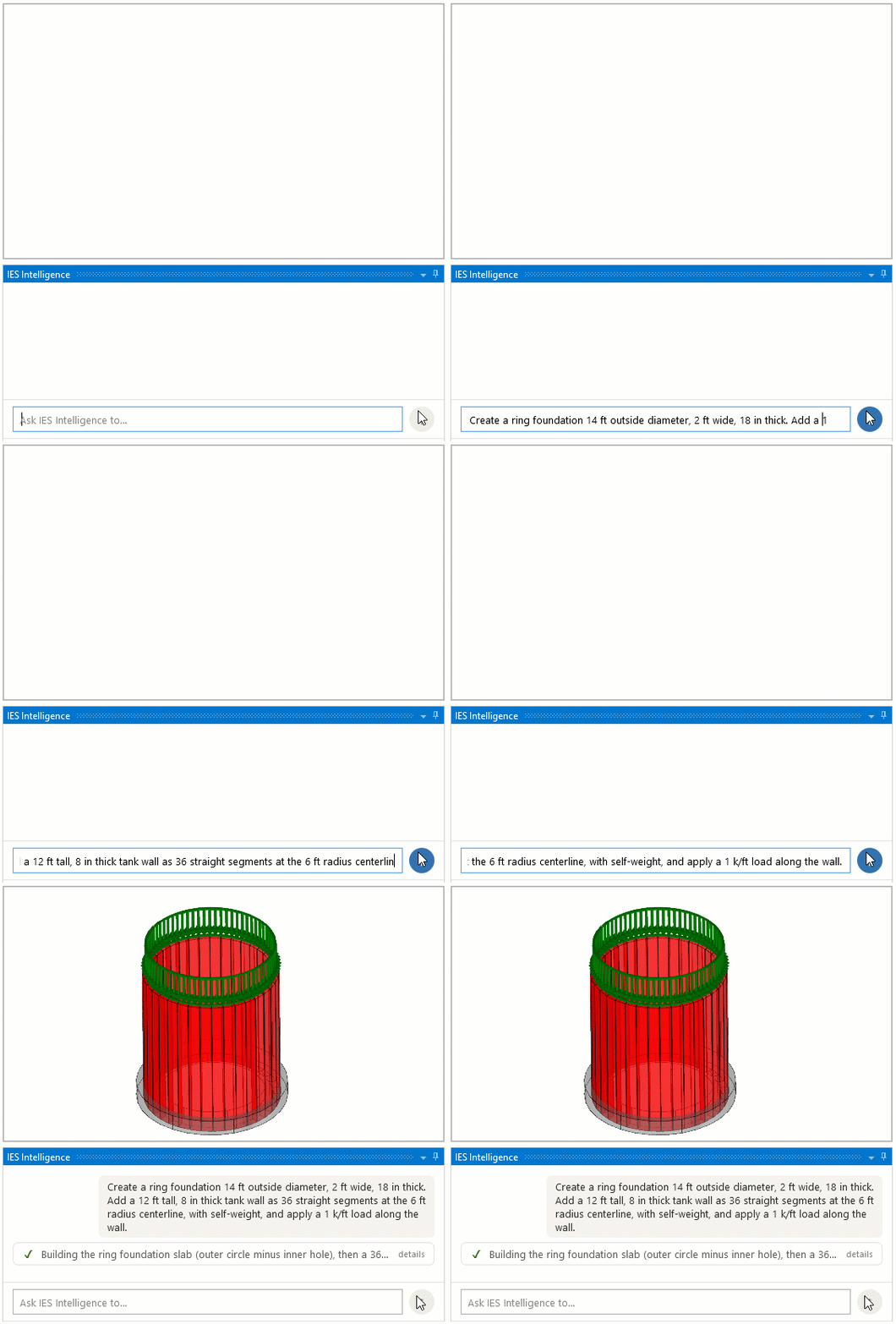
“Create a ring foundation 14 ft outside diameter, 2 ft wide, 18 in thick. Add a 12 ft tall, 8 in thick tank wall as 36 straight segments at the 6 ft radius centerline, with self-weight, and apply a 1 k/ft load along the wall.”
Understand What Is Driving the Design
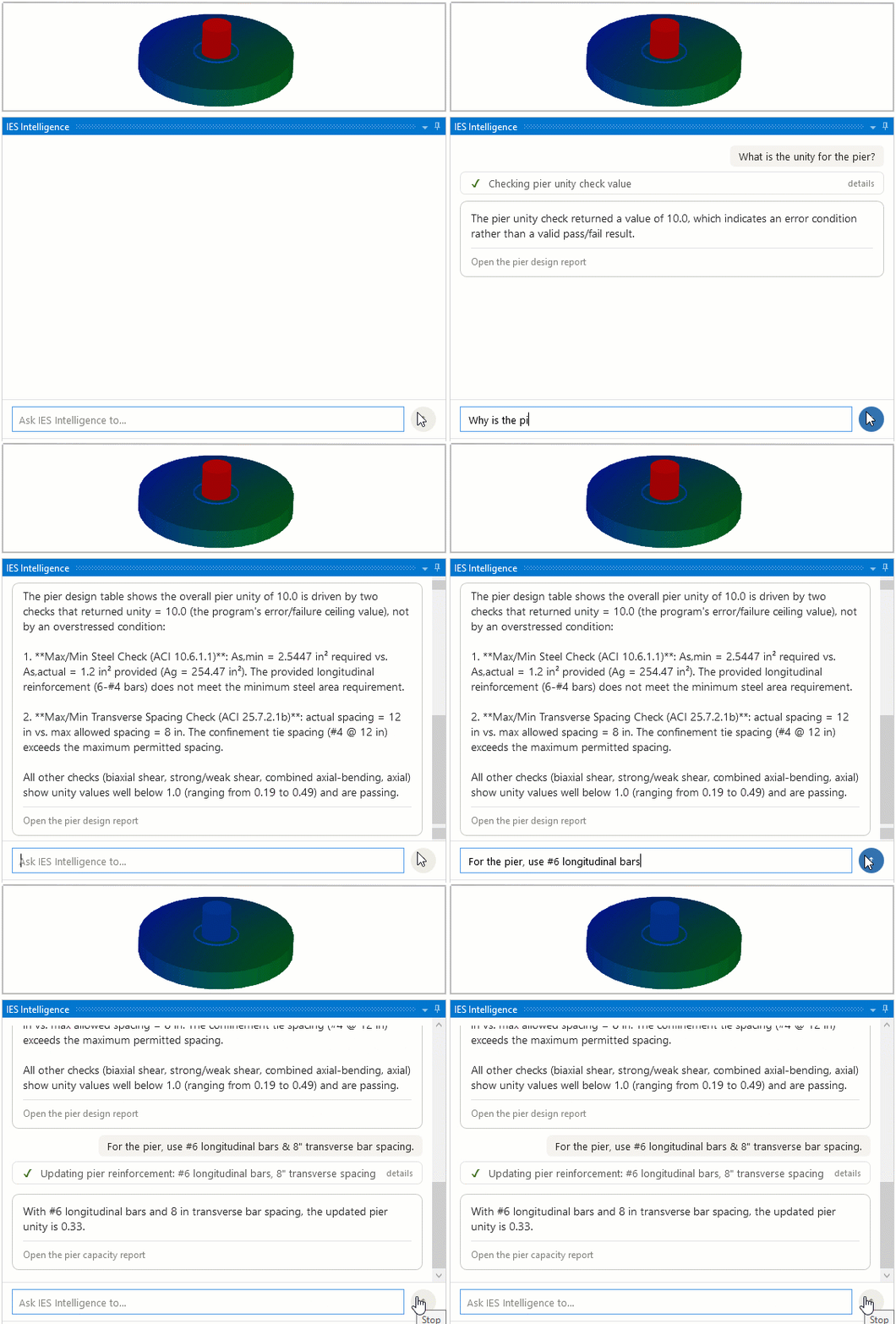
“What is the unity for the pier?”
“Why is the pier failing?”
“For the pier, use #6 longitudinal bars & 8" transverse bar spacing.”
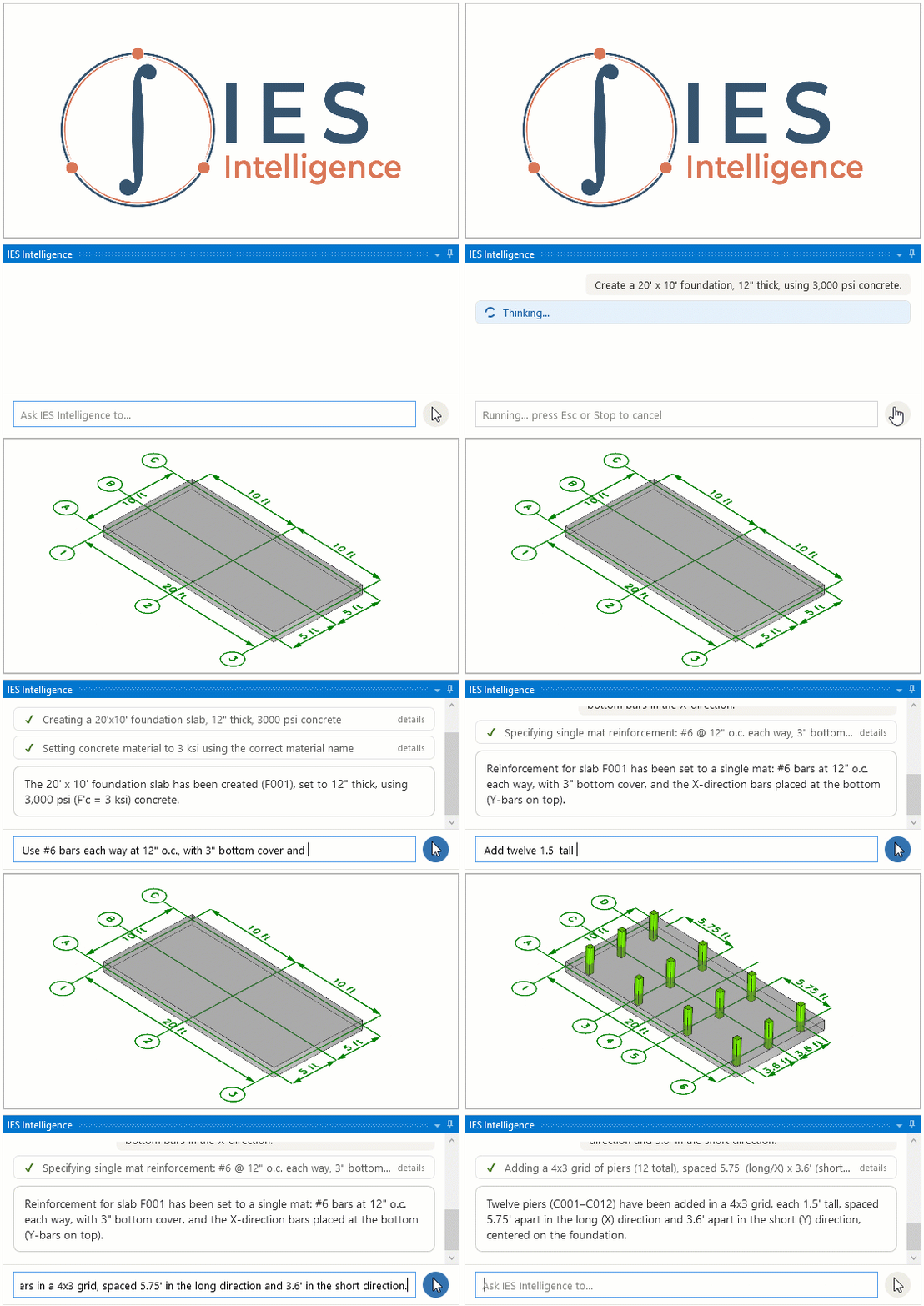
Define a Complete Foundation in Natural Language
“Create a 20' x 10' foundation, 12" thick, using 3,000 psi concrete.”
“Use #6 bars each way at 12" o.c., with 3" bottom cover and the bottom bars in the X-direction.”
“Add twelve 1.5' tall piers in a 4x3 grid, spaced 5.75' in the long direction and 3.6' in the short direction.”
Try IES Intelligence in VisualFoundation 14
VisualFoundation 14 includes 30 free prompts, limited to 15 per day. Subscriptions are $50 per month or $500 per year.